





 0
0
 0
0
In today’s energy-driven economy, fuel quality is more important than ever. Whether powering industrial machinery, commercial fleets, or heating systems, customers expect reliable performance from the fuel they purchase. For a fuel supplier, maintaining the quality of their product from the refinery to the end user’s tank isn’t just about compliance — it’s about trust, safety, and efficiency.
- From Refinery to Distribution: The Start of the Journey
- Storage and Handling Protocols
- Transportation and Delivery: Keeping Fuel Clean on the Move
- Testing and Quality Control Measures
- On-Site Quality Checks and Customer Education
- Diesel Supplier Responsibilities in Changing Environments
- Frequently Asked Questions (FAQs)
- Conclusion
This article takes a closer look at how fuel supplier ensure the integrity of their products throughout the supply chain, focusing specifically on diesel fuel — one of the most widely used energy sources across industries.
From Refinery to Distribution: The Start of the Journey
The process begins at the refinery, where raw crude oil is processed into various fuels, including diesel. Here, quality control starts with extensive laboratory testing. Each batch of fuel must meet strict specifications for sulfur content, cetane number, lubricity, and other essential properties.
Reputable fuel supplier partner with refineries that follow international standards such as ASTM (American Society for Testing and Materials) or EN (European Norms). By working only with certified refineries, suppliers reduce the risk of receiving off-spec products, ensuring that every drop meets the required industry benchmarks.
Once refined, the fuel is transferred to storage terminals through pipelines, barges, or railcars. At each transfer point, samples are taken and analyzed to ensure no contamination has occurred. This stage is critical, as improper handling can introduce water, particulates, or microbial growth — all of which degrade fuel quality.
Storage and Handling Protocols
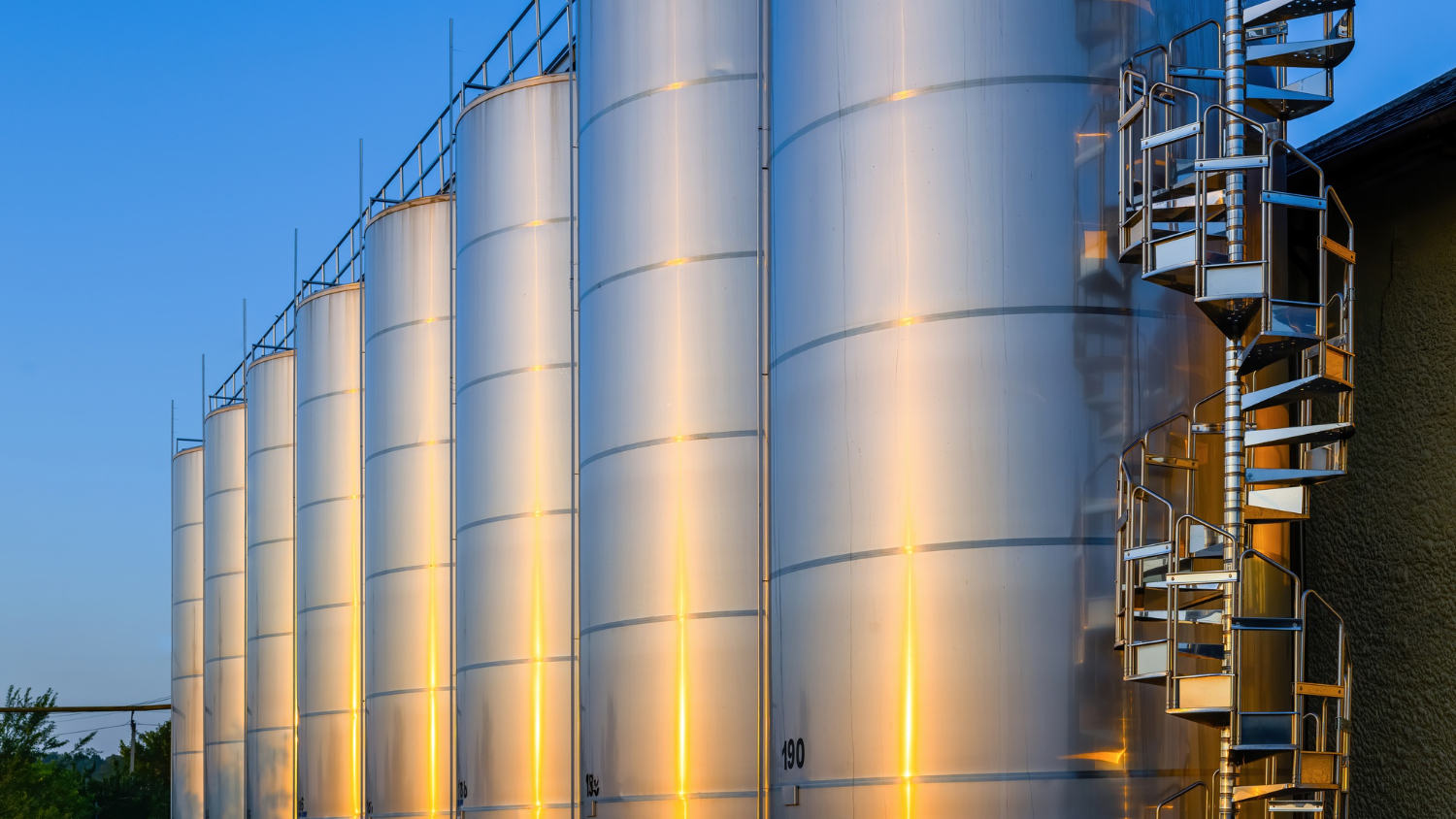
One of the most important responsibilities of a diesel supplier is the proper storage of fuel. Fuel tanks at storage terminals must be regularly inspected and maintained. Corrosion, condensation, and microbial growth are common concerns in bulk fuel storage.
To prevent these issues, fuel suppliers adopt several best practices:
- Regular Tank Cleaning: Periodic cleaning helps eliminate sludge and sediment buildup that can contaminate future batches.
- Water Removal: Water can enter tanks via condensation. Modern tanks often include water detection and drainage systems to prevent microbial growth.
- Temperature Monitoring: Diesel fuel is sensitive to temperature changes, which can lead to gelling or oxidation. Controlled environments help maintain fuel stability.
By investing in proper infrastructure and adhering to strict maintenance schedules, suppliers ensure that diesel fuel remains clean, dry, and free of contaminants — even when stored for extended periods.
Transportation and Delivery: Keeping Fuel Clean on the Move
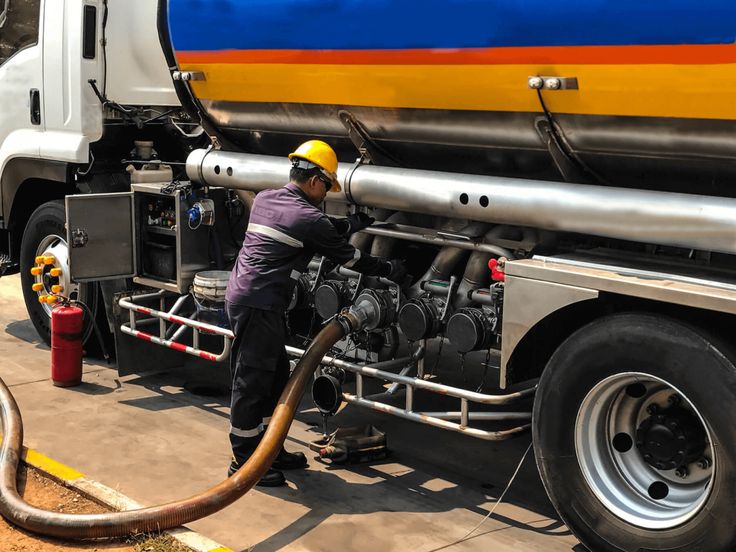
Transportation is another critical phase where fuel quality can be compromised if not handled correctly. A trustworthy fuel supplier will use dedicated fuel tankers that are routinely cleaned and inspected. These tankers are designed to prevent contamination from other substances or leftover residues from previous deliveries.
Moreover, fuel deliveries are typically accompanied by Certificates of Analysis (COA) or similar documentation. These certificates offer transparency and assure customers that the product delivered matches the required specifications. This is particularly important for commercial and industrial users who depend on consistent fuel quality for engine performance and emissions compliance.
Testing and Quality Control Measures
Throughout the supply chain, diesel supplier employ a series of testing protocols to safeguard fuel integrity. Some of the most common tests include:
- Water and Sediment Testing: Ensures that fuel meets cleanliness standards.
- Flash Point Testing: Measures the temperature at which fuel vapors ignite, which is essential for safety.
- Cetane Index: Evaluates combustion quality, directly affecting engine performance.
- Oxidation Stability: Predicts how long fuel will remain stable under storage conditions.
These tests are performed at various checkpoints — refinery, storage terminal, tanker loading, and customer delivery — ensuring that deviations can be caught and corrected early.
On-Site Quality Checks and Customer Education
Leading fuel supplier also go a step further by offering on-site testing and consultation services to their clients. This is especially relevant for industries relying on large fuel reserves, such as construction, agriculture, or transportation.
Through on-site sampling and analysis, suppliers can help clients identify storage issues, such as microbial contamination or water ingress, and recommend solutions like fuel polishing or tank maintenance. This proactive approach not only helps maintain product quality but also extends equipment lifespan and reduces downtime.
In addition, many fuel delivery services now include automated tank monitoring, alerting both the supplier and customer when levels are low or anomalies are detected. This technology-driven approach to fuel management is part of a broader push toward comprehensive energy solutions that prioritize both efficiency and reliability.
Diesel Supplier Responsibilities in Changing Environments
As environmental regulations tighten and alternative fuels emerge, the role of the diesel supplier is also evolving. Suppliers are increasingly expected to provide ultra-low sulfur diesel (ULSD), biodiesel blends, and fuels that meet emissions standards without compromising performance.
Maintaining quality in these advanced formulations requires even greater vigilance. Biodiesel, for example, is more susceptible to oxidation and microbial growth. Therefore, fuel supplier needs to enhance their storage and handling procedures, modernize infrastructure, and provide ongoing training for their staff to meet evolving industry standards and expectations.
Frequently Asked Questions (FAQs)
What should I look for in a reliable fuel supplier?
Look for a supplier with a proven track record, compliance with industry standards (ASTM/EN), robust quality assurance protocols, and value-added services like on-site testing, tank monitoring, or fuel management solutions.
How do fuel suppliers test fuel quality?
Fuel is tested using various lab and field techniques including water/sediment testing, cetane index, oxidation stability, and flash point testing — all to ensure it meets performance and safety standards.
Why is water in diesel fuel a problem?
Water can cause microbial growth, corrosion in tanks, fuel filter blockages, and injector damage. A good diesel supplier will have preventive measures such as water drains, filtration systems, and tank inspections.
Can I store diesel fuel for long periods?
Yes, but only under the right conditions. Diesel can degrade over time, especially if exposed to air, water, or microbial contamination. Proper storage tanks and regular maintenance are essential for long-term storage.
Do fuel suppliers offer emergency or same-day delivery?
Many modern fuel delivery services offer emergency or scheduled deliveries, with real-time tank monitoring and digital tracking to help avoid stock outs or operational delays.
Conclusion
Maintaining fuel quality from refinery to tank is a complex, multi-stage process that demands precision, investment, and a commitment to best practices. A reputable fuel supplier doesn’t simply move fuel from one location to another — they act as stewards of the product, ensuring that it performs as intended in every engine, generator, or furnace it powers.
By emphasizing rigorous testing, responsible storage, clean transportation, and proactive customer service, diesel suppliers help ensure that businesses and consumers alike can rely on consistent, high-quality energy every time they refuel.
As the world continues to demand cleaner, more efficient energy, the role of the fuel supplier will only grow in importance. Whether you’re seeking dependable fuel delivery or comprehensive energy solutions, partnering with a supplier that prioritizes product quality is an investment in performance, safety, and peace of mind.