




 0
0
 0
0
Precision, balance, and visual harmony define exceptional guitar craftsmanship. Among the many subtle elements that separate an average build from a remarkable one, binding plays a critical role. Carefully selected rosewood guitar binding enhances durability while adding a refined aesthetic that complements premium tonewoods.
Table of Contents
- What Is Rosewood Guitar Binding?
- Understanding the Purpose of Guitar Binding
- Why Builders Prefer Rosewood for Binding
- Comparing Rosewood with Other Wood Binding Options
- Precision Craftsmanship in Binding Strips
- Installation Best Practices
- Responsible Material Selection
- Design Inspiration and Wood Pairings
- Elevate Every Build with Superior Craftsmanship
For dedicated luthiers and repair professionals, choosing the right guitar binding material is not merely decorative—it directly impacts structural integrity, finish quality, and long-term performance.
What Is Rosewood Guitar Binding?
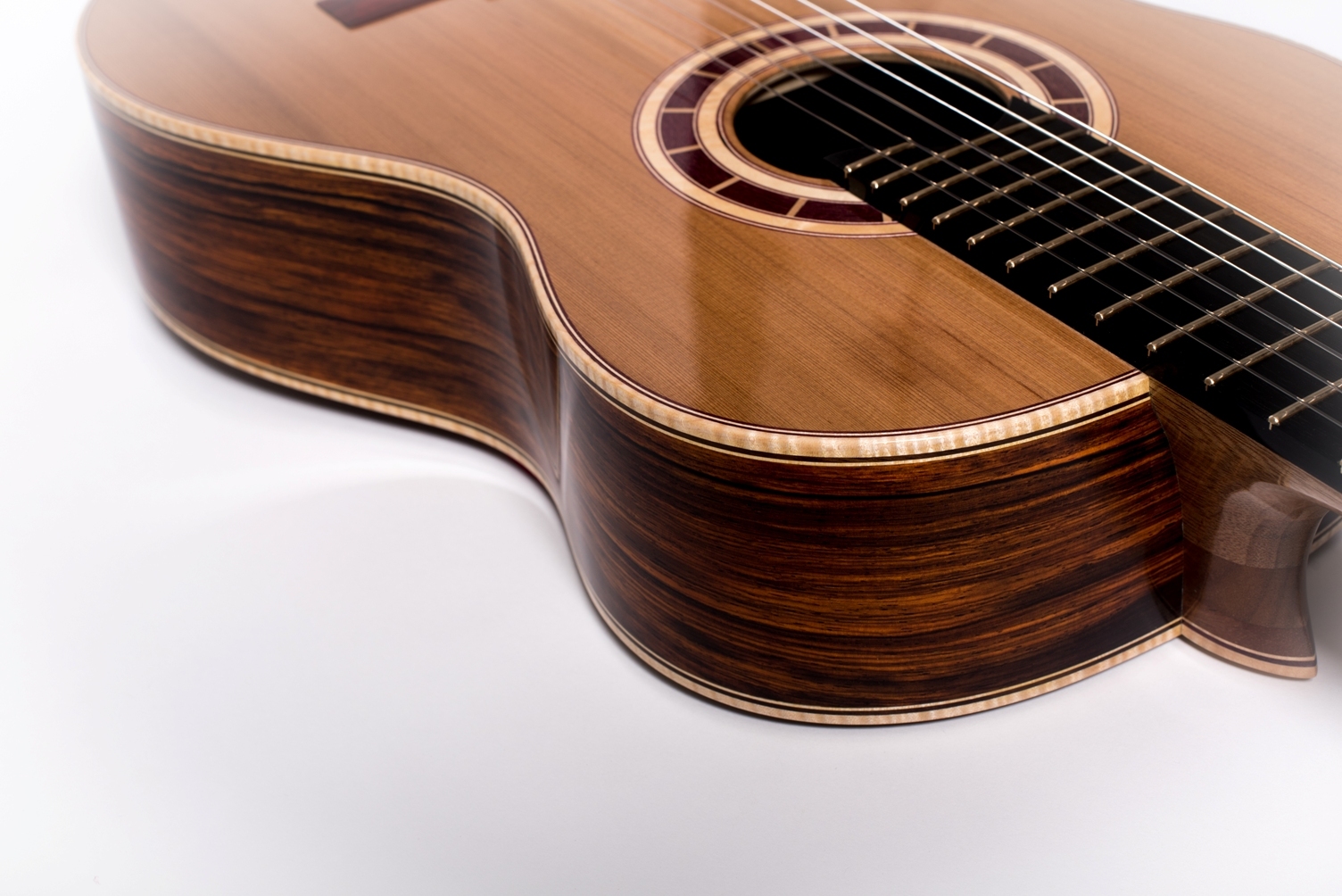
Rosewood guitar binding refers to thin, precision-milled strips of rosewood that are carefully installed along the edges of a guitar’s body, fretboard, or headstock. These strips frame the instrument’s contours, creating a clean transition between different tonewoods while reinforcing the outer structure.
Visually, rosewood adds depth and refinement. Its naturally rich brown tones and expressive grain patterns create elegant contrast against lighter tops and blend seamlessly with darker body woods. This combination of protection and beauty makes rosewood guitar binding a preferred choice for both acoustic and electric guitar builds.
Buy our guitar binding collection at Pacific Rim Tonewoods, featuring precision-milled rosewood, ebony, koa, and maple options crafted for durability, smooth installation, and refined visual detail in every custom guitar build.

Understanding the Purpose of Guitar Binding
Along the edges of a guitar’s body, fretboard, and headstock, thin wooden strips are installed to create a protective and decorative border.
This is known as guitar binding. Beyond visual appeal, binding helps:
- Protect exposed edges from dents and wear
- Seal the vulnerable end grain from moisture
- Reinforce structural seams
- Deliver a clean, professional finish
When crafted from rosewood, these strips provide both resilience and a rich, organic appearance that enhances the overall build.
Why Builders Prefer Rosewood for Binding
Natural Depth and Grain Character
Deep brown hues and striking grain lines give rosewood its timeless appeal. Subtle colour variations add dimension, pairing beautifully with spruce tops, mahogany backs, and other traditional tonewoods. Over time, rosewood guitar binding develops character, aging gracefully with the instrument.
Strength and Stability
Durability matters in edge construction. Properly milled rosewood guitar binding resists minor impact damage and holds its shape through seasonal changes. When seasoned correctly, it bends reliably and maintains tight lines around curves and cutaways.
Tonal Consistency
While binding has a subtle influence on sound, many builders prefer wood-to-wood construction for material consistency. Integrating rosewood components ensures the guitar maintains cohesive resonance characteristics.
Comparing Rosewood with Other Wood Binding Options
Selecting the right wood depends on the desired visual contrast and design direction.
Ebony binding
Darker in tone and bold in presence, ebony binding creates a sharp contrast against lighter tops. Its nearly black appearance gives instruments a modern or dramatic aesthetic compared to the warmth of rosewood guitar binding.
Koa binding
Golden undertones and natural shimmer define koa binding. It is frequently chosen for custom builds that highlight decorative woodwork.
- Plain koa binding provides uniform grain with subtle elegance.
- Figured koa offers flame or curl patterns for added visual movement.
Koa delivers brightness and visual energy, while rosewood remains classic and understated.
Maple guitar binding
Light and clean in appearance, maple guitar binding frames darker body woods with crisp definition. It also accepts stains well, allowing for flexible finishing options. Each species offers distinct design possibilities, yet rosewood guitar binding consistently stands out for its depth and versatility.
Precision Craftsmanship in Binding Strips
High-quality binding requires careful processing and strict tolerances.
Professional-grade strips of guitar binding should feature:
- Accurate thickness and width dimensions
- Straight grain orientation for strength
- Proper drying to prevent cracking
- Smooth, splinter-free edges
Attention to detail during milling reduces installation time and ensures seamless results. Pacific Rim Tonewoods is recognized for delivering carefully prepared binding materials that meet the expectations of experienced builders.
Installation Best Practices
The successful installation of rosewood guitar binding depends on technique and preparation.
Controlled Bending
Gentle heat and controlled moisture allow strips of rosewood guitar binding to bend smoothly along tight curves. Using a bending iron or a heat blanket minimizes stress fractures.
Adhesive Application
Wood glue or specialized binding adhesives create strong bonds when evenly applied. Proper clamping pressure ensures tight seams without gaps.
Finishing and Scraping
Once secured, the binding is scraped flush with the guitar body. Rosewood accepts lacquer and oil finishes beautifully, highlighting its natural grain patterns beneath a protective topcoat.
Careful execution preserves the clean lines that define professional craftsmanship.
Responsible Material Selection
Modern builders increasingly value transparency and sustainability. Responsibly sourced wood ensures regulatory compliance and promotes long-term forest stewardship. Selecting premium guitar binding from reputable suppliers helps maintain both ethical standards and consistent quality.
Pacific Rim Tonewoods prioritizes careful sourcing and precision preparation, offering materials trusted by serious luthiers.
Design Inspiration and Wood Pairings
Creative combinations elevate the visual appeal of any instrument:
- Rosewood guitar binding framing a spruce top and mahogany back
- Layered purfling between rosewood and maple guitar binding
- Accent lines combining rosewood with koa binding details
- Multi-wood borders incorporating plain koa binding for contrast
- Dark edges using ebony binding paired with rosewood body woods
Thoughtful pairing enhances both subtlety and sophistication in custom builds.
Frequently Asked Questions
Does rosewood guitar binding improve durability?
Yes. Dense and stable wood strengthens vulnerable edges and helps protect against minor impacts and finish wear. Properly installed rosewood guitar binding enhances long-term structural reliability.
How does it compare to ebony binding?
Ebony binding offers a darker contrast and a bold look. Rosewood guitar binding provides warmer tones and a smoother visual transition along the body.
Is maple guitar binding easier to finish?
Maple guitar binding sands smoothly and stains evenly, making it flexible for custom colour treatments. Rosewood naturally showcases rich grain without heavy staining.
Can wood binding crack over time?
Properly seasoned and installed guitar binding remains stable. Controlling humidity during construction significantly reduces the risk of cracking.
Is professional installation recommended?
While experienced hobbyists can install rosewood guitar binding successfully, professional techniques ensure tighter joints and a cleaner final appearance.
Elevate Every Build with Superior Craftsmanship
Meticulous attention to detail transforms a standard guitar into a lasting work of art. Choosing high-quality rosewood guitar binding enhances durability, enriches visual depth, and reflects true dedication to fine instrument making.
For builders seeking expertly prepared wood components, Pacific Rim Tonewoods offers precision-milled options designed for reliability and performance. Explore the complete selection at Pacific Rim Tonewoods and refine every edge of your next creation with confidence.